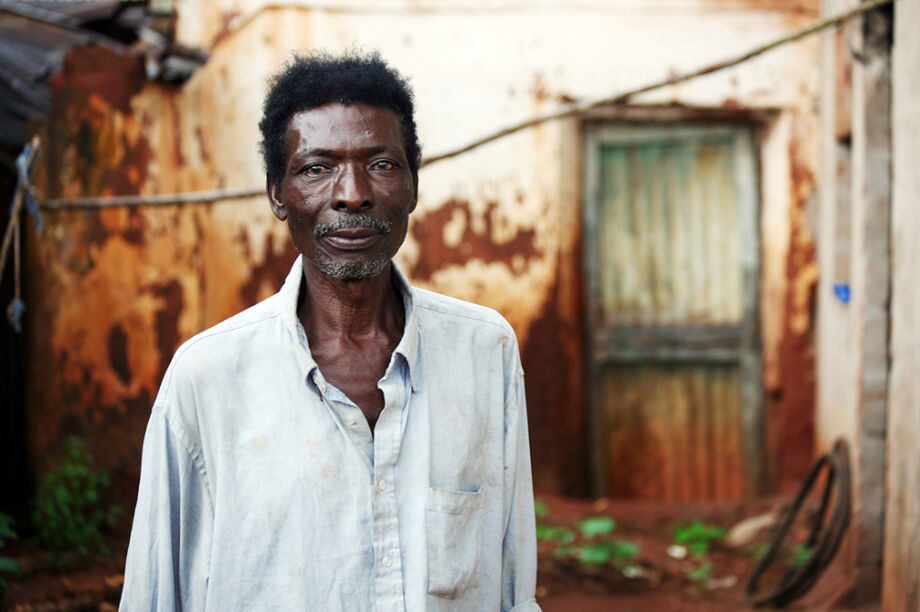
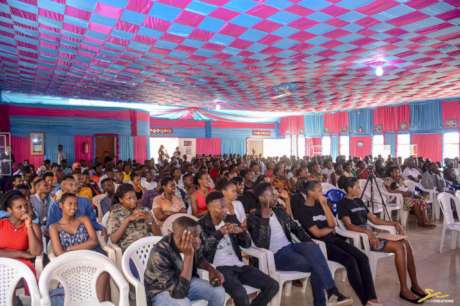
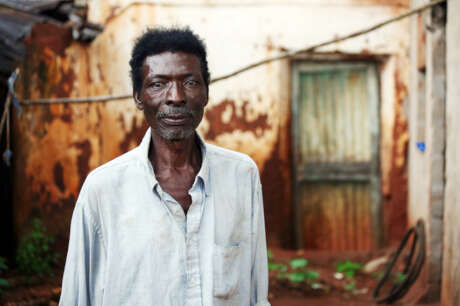
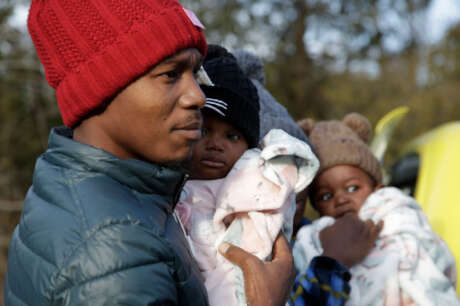
During the last months the Analog Forestry Project was socialized with 20 families from the municipalities of Puerto Conto, Napipí, San Martín, Bellavista and Vigía del Fuerte. The producer families were presented with the analog forestry methodology, the production chain on forest products and the field team. The short, medium and long term challenges and goals were also socialized and discussed as well as the benefits and obligations each family will have because of the initiative.
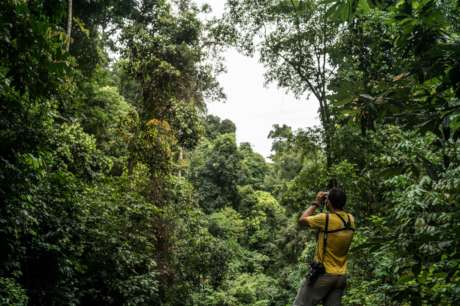
A diagnosis was made of each of the family units parcels and their surroundings. Their location was georefrenced and the conditions of the land and vegetation were assessed and recorded. Additionally, the different activities developed by the families in the parcels were identified and recorded (fishing, hunting, animal grazing, etc.) and a list of appropriate species for each parcel was determined.
It was observed that most of the parcels are in conditions to start working on the analog forestry methodology. Most of the parcels are located in high ground and a few were identified to be in lower ground near the river basin which poses challenges for the growth and maintenance of the analog parcels. Species that are resilient to floods and adapt to climate change will be bred here to assure the success of the project.

AMICHOCÓ´s team visited the municipality of Turbo and met with the field team of FUNDAUNIBAN and the Normal Public School which is the project´s local beneficiary organization. In this meeting the project´s timelines, activities and budget was presented and discussed with the 2 institutions. Additionally, the monthly action plan was created and agreed upon; this plan includes the official start of the project with the children, the definition (with the children) of where the Children´s Land will be developed and meetings with local institutions that have the potential of becoming allies of the initiative.
The Normal Public School was visited and its environmental program and projects were presented to AMCIHOCÓ. One of the main challenges of the project will be to integrate the Children´s Land initiative into the schools environmental curriculum; the professors in charge of this area within the school were very pleased with the prospect and very enthusiastic about getting the project going.
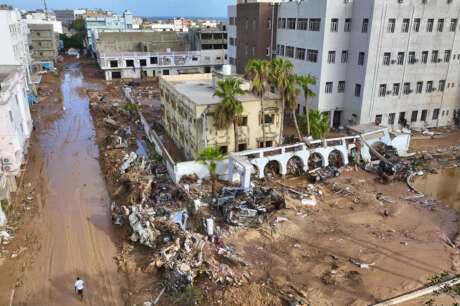
It´s important to point out that Colombia and the Urabá region have been suffering from the worst rainy season in decades and most private, public and social organizations are currently trying to tackle the natural emergency in which the entire country is immersed. Turbo was greatly affected by the rainy season and over the last months most of its main roads have been closed; this has affected the project´s timeline, but we have made adjustments to the overall timeframe in order to make up for lost time and meet all of the projects goals.

During the first month of the Analog Forestry project we had our first coordination meeting between AMICHOCÓ and Fundación Espavé. During this meeting we went over the project, its objectives, results and deliverables and we also reviewed the budget; the local coordination is currently doing the same exercise and planning the first meetings with the community and the beneficiary families.
The Local Coordination has gotten in touch and has already identified the first 20 families with which the project will work. These families are distributed as follows in the territory of Bojayá:
Finally, Espavé was awarded the SEED Initiative Award for its social business “Bosque Húmedo” which this project will support through its analog parcels. The SEED Awards are an annual competition created by UNDP, UNEP and IUCN that identifies and supports promising small scale social and environmental entrepreneurs. AMICHOCÓ won the award with its Oro Verde program in 2009; making it the first time in history that 2 SEED Initiative Gold Winners collaborate in a specific project.


Links: